Jadeitový Kameň (Jadeite Stone): A Complete Expert Guide to One of the Rarest Gemstones on Earth
The jadeitový kameň, widely known as jadeite, is one of the world’s most coveted gemstones. For centuries, jadeite has been associated with wealth, cultural heritage, protective symbolism, and luxury craftsmanship. Its unique color range, geological rarity, and investment potential make it a gemstone that continues to captivate collectors, gemologists, historians, and jewelry designers. This in depth guide explores the origin, characteristics, valuation, identification, and modern uses of jadeitový kameň, offering a comprehensive resource for anyone interested in this extraordinary mineral.
What Is Jadeitový Kameň (Jadeite)?
Jadeitový kameň is a sodium aluminum silicate mineral with the chemical formula NaAlSi₂O₆. It belongs to the pyroxene mineral group and is one of the two primary minerals classified as jade, the other being nephrite. Among these, jadeite is rarer and more valuable, especially in its premium color varieties.
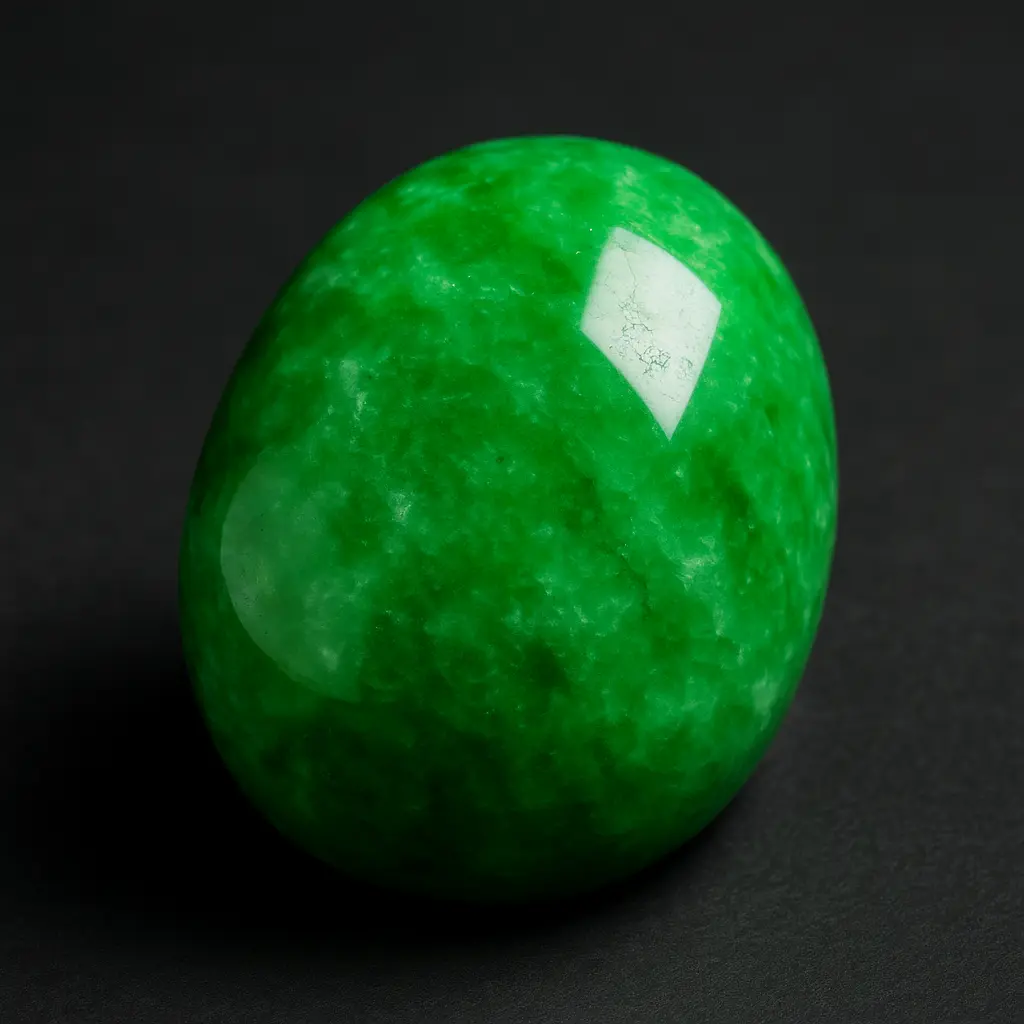
The most renowned form of jadeite is Imperial Jade, which features a deeply saturated, vivid green tone caused by chromium content.
How Jadeite Forms in Nature
Jadeite forms under extreme geological conditions. It originates in areas of high pressure and low temperature, most commonly along subduction zones where tectonic plates collide. Over millions of years, these forces compress and transform existing rocks, giving jadeite its dense, microcrystalline texture.
Significant jadeite deposits exist in:
-
Myanmar (Burma) – the most famous source of high-grade jadeite
-
Guatemala – historically used by ancient Maya civilizations
-
Russia – known for lavender and green shades
-
Japan – historically important in ceremonial crafts
-
Canada, USA, Kazakhstan – smaller regional sources
Physical and Optical Characteristics of Jadeite
Jadeite is admired not only for its color but also for its durability and distinct optical qualities. Below is a detailed overview of its key properties:
| Property | Description |
|---|---|
| Chemical Composition | NaAlSi₂O₆ |
| Mineral Group | Pyroxene |
| Hardness | 6 – 7 on Mohs scale |
| Density | 3.25 – 3.40 g/cm³ |
| Luster | Vitreous to greasy |
| Transparency | Opaque to semi-transparent |
| Color Range | Green, white, lavender, red, orange, yellow, black |
Unlike many gemstones, jadeite maintains a glowing, rich color even when opaque. Its microstructure allows light to disperse softly across its surface, giving it a unique visual depth.
Popular Jadeite Color Varieties
Jadeitový kameň comes in a broad spectrum of colors. Each variety has distinct value levels, geographical sources, and aesthetic characteristics.
1. Green Jadeite
The most iconic and valuable type. Rich, chrome-based vibrant greens are the highest-grade stones.
2. Lavender Jadeite
Colored by manganese, lavender jadeite has gained popularity in recent decades, especially in modern jewelry designs.
3. White Jadeite
Symbolizes purity and simplicity. Often carved into pendants, bangles, and spiritual motifs.
4. Red and Orange Jadeite
Develops through natural oxidation. These warm hues are eye-catching and prized by collectors.
5. Black Jadeite
Includes iron or graphite content. Black jadeite is bold, contemporary, and popular for men’s jewelry.
See More: Tumbons: Structure, Functions, and Local Importance in Thailand
How Jadeite Is Graded by Gemologists
Gemologists evaluate jadeite based on four main criteria. Understanding these helps buyers distinguish genuine quality from lower-grade material.
1. Color
Color uniformity, saturation, and tone are the strongest indicators of value. Deep, even green is the top tier.
2. Texture
Fine-grain texture increases smoothness and internal cohesion, making the gemstone appear glassy and refined.
3. Transparency
Higher transparency often correlates with premium quality. Semi-transparent jadeite is extremely rare and expensive.
4. Treatment Category
Jadeite is categorized by the degree of enhancement:
-
A-Jade – 100% natural, untreated
-
B-Jade – chemically bleached and polymer-filled
-
C-Jade – artificially dyed
A-Jade is the only jadeite considered investment grade.
The Global Market for Jadeitový Kameň
Demand for jadeite is strongest in:
-
China
-
Hong Kong
-
Taiwan
-
Singapore
-
Japan
In these regions, jadeite is intertwined with cultural symbolism, representing prosperity, purity, and protection. Premium pieces often appear in international auctions, where top-quality jadeite competes with diamonds, rubies, and emeralds for record-breaking prices.
Common Uses of Jadeite Stone
1. Fine Jewelry
Jadeite is crafted into:
-
Rings
-
Bangles
-
Necklaces
-
Pendants
-
Earrings
-
Beads and cabochons
2. Carved Artworks
Master artisans use jadeite for:
-
Religious motifs
-
Figurines
-
Animal carvings
-
Symbolic emblems
-
Traditional ornaments
3. Collectibles and Investments
High-quality A-Jade stones and untreated carvings are highly sought-after by collectors and investors.
How to Identify Genuine Jadeitový Kameň
Authenticating jadeite can be complex, especially with the large number of imitations on the market. Expert verification often includes these methods:
-
Density testing
-
Magnification to observe crystal structure
-
Spectroscopic analysis
-
UV fluorescence to detect polymer filling
-
Surface texture inspection
-
Certification from reputable gem labs
Professional certification remains the safest and most accurate method to confirm purity and treatment.
Importance of Jadeite Certification
A certified jadeite stone provides documented information about:
-
Origin
-
Chemical composition
-
Color and texture quality
-
Treatment level (A, B, or C)
-
Authenticity for resale and investment
This ensures buyers do not accidentally purchase treated or synthetic material.
Common Mistakes When Buying Jadeite
Many buyers unknowingly make the following errors:
-
Buying untreated vs. treated jade without understanding the difference
-
Confusing nephrite with jadeite
-
Believing larger stones are always more valuable
-
Purchasing without certification
-
Ignoring transparency and texture levels
-
Falling for artificially low or inflated prices
Knowledge is the key to avoiding expensive mistakes.
Popular Jadeite Shapes and Forms
Traditional Carvings
-
Dragons
-
Buddha figures
-
Phoenix birds
-
Lotus flowers
-
Protective amulets
Gem Cut Shapes
-
Cabochons
-
Round beads
-
Oval cuts
-
Bars and plaques
-
Freeform polished pieces
These forms enhance jadeite’s natural beauty and highlight its color intensity.
See More: Simbramento: Meaning, Geologic Dynamics, Causes & Modern Engineering Insights
FAQs:
1. Is jadeite more valuable than nephrite?
Yes. Jadeite is rarer, denser, and often more vibrant in color.
2. What is the most valuable jadeite color?
Imperial Green—deep, translucent green with chromium content.
3. Can jadeite appear blue?
Blue-green stones exist but are extremely rare.
4. Where is top-quality jadeite sourced?
Myanmar remains the world’s leading producer of high-grade jadeite.
5. How common are jadeite imitations?
They are very common. Treated stones, dyed stones, and plastic composites frequently appear in the market.
6. Is jadeite a good investment?
High-quality A-Jade pieces are considered stable, long-term assets.
7. How should jadeite jewelry be cleaned?
Use mild soap and a soft cloth. Avoid harsh chemicals and ultrasonic cleaners.
8. What elements cause jadeite’s different colors?
Chromium, manganese, iron, and other trace elements.
Conclusion
Jadeitový kameň stands among the most exceptional gemstones known to humanity. Its rich cultural history, geological rarity, and vibrant beauty make it a favorite among collectors, jewelry enthusiasts, and investors alike. Whether admired for its symbolic meaning, cherished for its artistic value, or sought after as a luxury gemstone, jadeite remains an enduring and iconic mineral with a legacy spanning thousands of years.