
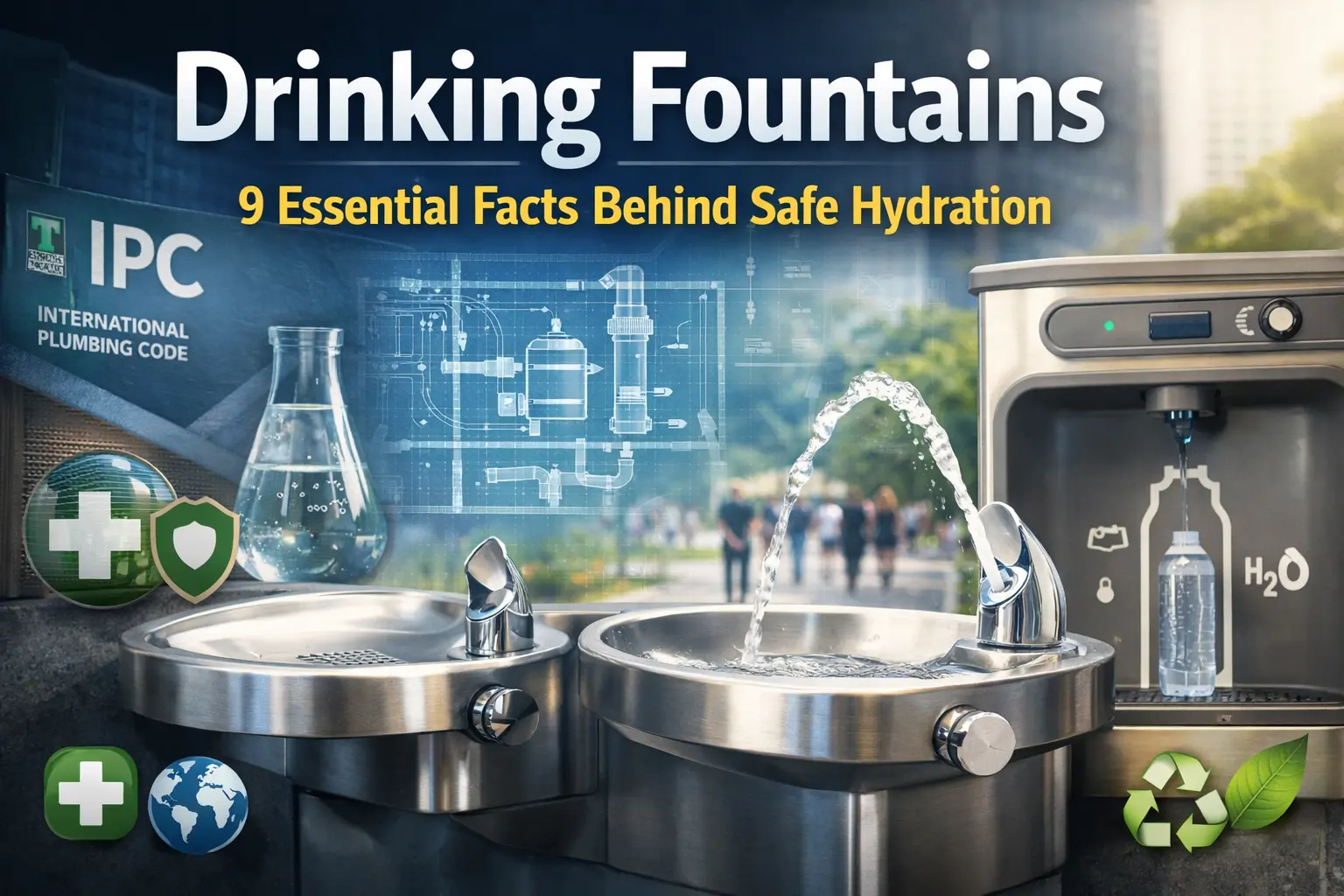
Drinking Fountains: Infrastructure, Standards, and Modern Use
Drinking fountains are fixed hydration fixtures connected to potable water supply systems. These installations provide direct access to treated water without disposable containers. Public buildings, schools, parks, and transport facilities deploy drinking fountains as part of sanitation and building service networks. Health authorities recognize these fixtures as essential hydration infrastructure within regulated environments.
Public Health Function
Hydration access points support physiological balance in shared spaces. Drinking fountains reduce dehydration risks in high occupancy settings. These systems lower reliance on packaged beverages and associated sugar intake. Cost free water access improves equity across populations. Public health agencies, including the Centers for Disease Control and Prevention, identify hydration availability as a preventive health measure.
See More: Axurbain as an Integrated Urban Systems Methodology
Design and Engineering Principles
Drinking fountains follow hygiene-focused engineering standards. Designers apply upward water projection to reduce direct contact. Basin geometry limits splash dispersion. Smooth, non-porous surfaces restrict microbial adhesion. Flow regulators maintain consistent pressure. These design principles align with requirements defined by the International Plumbing Code.
Core Structural Components
| Element | Function |
|---|---|
| Supply valve | Regulates water entry |
| Flow regulator | Maintains pressure |
| Dispensing spout | Directs water stream |
| Basin | Collects overflow |
| Drain system | Removes wastewater |
| Activation control | Manages operation |
| Filtration unit | Enhances quality |
Each component integrates into the broader plumbing system to maintain sanitary performance.
Materials and Manufacturing Standards
Manufacturers select materials based on durability and safety. Stainless steel resists corrosion and supports hygiene. Vitreous china allows easy cleaning in institutional settings. Outdoor units use reinforced polymers or treated metal alloys. Internal fittings rely on lead-free brass to meet potable water regulations enforced by environmental agencies.
Types and Configurations
Hydration fixtures vary according to installation environment.
Common configurations include:
-
Wall-mounted units for corridors
-
Freestanding pedestal models
-
Dual-height installations for accessibility
-
Outdoor frost-resistant systems
-
Refrigerated models for cooled water
-
Bottle-refill integrated stations
Selection depends on occupancy levels, climate exposure, and accessibility requirements.
Accessibility Compliance
Public hydration installations follow inclusive design frameworks. Units comply with Americans with Disabilities Act specifications. Knee clearance supports wheelchair access. Spout heights remain within regulated reach ranges. Controls allow front-facing or touchless operation. Dual-height designs ensure use by children and adults.
Water Quality Management
Dispensed water meets municipal drinking water standards. Treatment processes include filtration and disinfection. Lead concentrations remain below statutory limits. Point-of-use filters improve taste and clarity. Routine flushing prevents stagnation. Quality benchmarks align with World Health Organization guidelines.
Installation and Integration
Certified professionals handle installation. Systems connect to cold-water supply lines. Backflow prevention devices protect upstream networks. Anchoring ensures stability. Drainage connections meet slope and venting codes. Local inspections verify compliance before use.
Maintenance and Service Life
Structured maintenance preserves functionality. Surface sanitation removes biofilm buildup. Filters require replacement based on usage volume. Valves and seals undergo periodic inspection. Drain lines require clearing to prevent blockage. With proper care, service life extends beyond two decades.
Environmental Impact
Public hydration fixtures reduce bottled water consumption. Lower plastic waste output improves environmental performance. Reduced transport demand decreases emissions. Refill-capable designs support reusable container use. Energy-efficient cooling systems limit power consumption. Sustainability frameworks include these systems in green building metrics.
Use in Educational Facilities
Schools integrate hydration access into wellness policies. Availability supports cognitive performance and physical regulation. Height-appropriate installations serve younger users. High usage requires reinforced construction. Research links accessible water to reduced sugary beverage intake among students.
Urban and Outdoor Deployment
Cities install hydration points in parks, plazas, and transit hubs. Public access supports recreation and commuting. Outdoor units require weather-resistant construction. Availability improves walkability and public space usability. Municipal investment reflects commitment to community amenities.
Technology Integration
Modern units incorporate sensor-based activation. Touchless operation reduces contact transmission risk. Filter status indicators support maintenance planning. Usage tracking enables predictive servicing. Antimicrobial coatings enhance surface hygiene. Integration with smart building systems improves oversight.
Regulatory Oversight
Multiple authorities enforce compliance. Health departments conduct sanitation inspections. Building agencies apply code requirements. Environmental bodies regulate material safety. Accessibility standards ensure inclusive deployment. Oversight protects public safety and infrastructure reliability.
See More: Understanding Subsystem Number in Technical and System Architectures
FAQs
What makes a drinking fountain safe for use?
Safety depends on compliance with potable water standards and approved construction materials.
How is contamination minimized?
Upward-flow spouts, regulated pressure, smooth surfaces, and routine sanitation reduce risk.
Are these fixtures environmentally efficient?
Reduced plastic waste and support for reusable containers improve sustainability outcomes.
Is electricity always required?
Power applies only to refrigerated or sensor-equipped models.
How often is maintenance required?
Service intervals depend on usage intensity, filtration systems, and regulatory guidance.
Why are dual-height units common?
Dual-height designs ensure accessibility for children, adults, and wheelchair users.
Conclusion:
Drinking fountains function as essential hydration infrastructure within regulated public and private environments. These systems support public health, accessibility, and environmental sustainability through reliable access to potable water. Standardized design, material safety, and regulatory oversight ensure hygienic operation across diverse settings. Continued integration of modern features strengthens their role in long-term sanitation and wellness frameworks.