Consumer Product Design: Complete Guide to Creating Products Consumers Love
Consumer product design is the discipline that transforms ideas into usable, market-ready products. It combines engineering, ergonomics, market research, and sustainability. Every product that reaches consumers whether smartphones, furniture, or household appliances undergoes structured design processes.
Strong product design improves functionality, affordability, and aesthetics. Global brands like Apple, Tesla, Dyson, and IKEA rely on consumer product design to deliver innovative solutions that stand out in competitive markets.
What is Consumer Product Design?
Consumer product design is the systematic development of goods intended for mass consumption. It ensures that a product is:
-
Functional – Works reliably for its purpose.
-
Usable – Easy to operate for different users.
-
Appealing – Attractive in look and feel.
-
Affordable – Cost-effective to manufacture and purchase.
-
Sustainable – Environmentally responsible throughout its lifecycle.
Design teams analyze user behavior, material performance, and market trends to produce goods that satisfy both consumer expectations and industry regulations.
Core Principles of Consumer Product Design:
1. Functionality
Ensure product performance aligns with its intended use. Example: Smartphones must enable communication, browsing, and apps without failure.
2. Usability
Ensure consumers interact with products easily. Controls, grips, and displays should be intuitive, ergonomic, and efficient.
3. Aesthetics
Ensure visual and tactile appeal. Companies like Apple use minimalism, while IKEA emphasizes Scandinavian simplicity.
4. Sustainability
Ensure eco-friendly practices. Recyclable materials, low energy consumption, and circular economy models reduce environmental impact.
5. Affordability
Ensure balance between cost and quality. Mass-market brands prioritize scale and cost-efficiency, while luxury brands emphasize premium finishes.
Consumer Product Design Process:
Research and Analysis
-
Conduct surveys, interviews, and ethnographic studies.
-
Benchmark competitors and market trends.
-
Define consumer pain points and opportunities.
Ideation and Concept Development
-
Brainstorm solutions using design thinking.
-
Sketch ideas, CAD models, and storyboards.
-
Narrow concepts with stakeholder feedback.
Prototyping and Testing
-
Create rapid prototypes with 3D printing.
-
Conduct usability testing with real users.
-
Gather feedback on ergonomics, performance, and satisfaction.
Engineering and Manufacturing
-
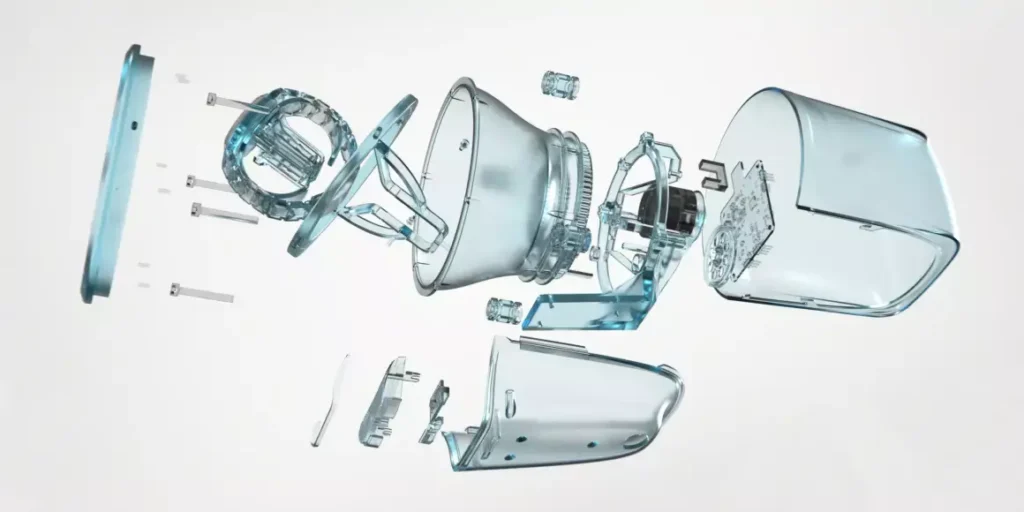
Develop detailed CAD models and technical drawings.
-
Select suitable materials and manufacturing processes.
-
Apply Lean and Six Sigma for cost control.
Launch and Post-Market Review
-
Market products via e-commerce and retail channels.
-
Monitor reviews, warranty claims, and user feedback.
-
Iterate designs for improved versions.
Tools and Technologies in Consumer Product Design:
| Tool/Technology | Purpose | Example Use |
|---|---|---|
| CAD Software | 3D modeling & visualization | SolidWorks, Fusion 360 |
| Simulation | Stress & performance analysis | ANSYS, Abaqus |
| Rapid Prototyping | Fast physical models | 3D Printing, CNC |
| Digital Twins | Virtual product testing | Automotive crash tests |
| AR/VR | Immersive design validation | Furniture placement apps |
Emerging Trends in Consumer Product Design:
-
Circular Economy – Focus on recyclability and product-as-a-service.
-
Smart Devices – Integration of IoT for connected ecosystems.
-
Personalization – AI-driven customization and 3D body scanning.
-
Inclusive Design – Accessibility-focused products for all demographics.
-
Biodegradable Materials – Growth of plant-based and compostable plastics.
Best Practices for Consumer Product Design:
-
Ensure consumer-centric research.
-
Ensure cross-functional collaboration.
-
Ensure compliance with ISO, CE, and UL standards.
-
Ensure continuous testing at every stage.
-
Ensure sustainability from material selection to packaging.
Advantages of Consumer Product Design:
-
Improves User Experience
-
Enhances Market Competitiveness
-
Strengthens Brand Identity
-
Reduces Production Waste
-
Drives Long-Term Profitability
FAQs on Consumer Product Design:
Q1: What industries depend most on consumer product design?
Industries like electronics, automotive, healthcare devices, home appliances, and fashion depend heavily on structured design processes.
Q2: How does consumer product design differ from industrial design?
Industrial design focuses on form and aesthetics, while consumer product design integrates functionality, usability, and manufacturing feasibility.
Q3: Which tools are most important for product designers today?
CAD platforms, rapid prototyping machines, simulation software, and digital twins are essential for modern product designers.
Q4: How does sustainability influence consumer product design?
Design teams select biodegradable materials, energy-efficient processes, and recyclable packaging to align with global environmental policies.
Q5: What are examples of successful consumer product design?
The Apple iPhone, Tesla Model 3, Dyson vacuum cleaners, and IKEA flat-pack furniture exemplify successful consumer-focused design.
Conclusion:
Consumer product design defines the future of innovation, usability, and sustainability in global markets. It ensures that products meet consumer needs while addressing environmental and regulatory requirements. Companies that invest in structured design processes gain higher customer loyalty, lower production risks, and lasting market dominance.