Bubble Wall: Complete Guide to Design, Benefits, and Modern Uses
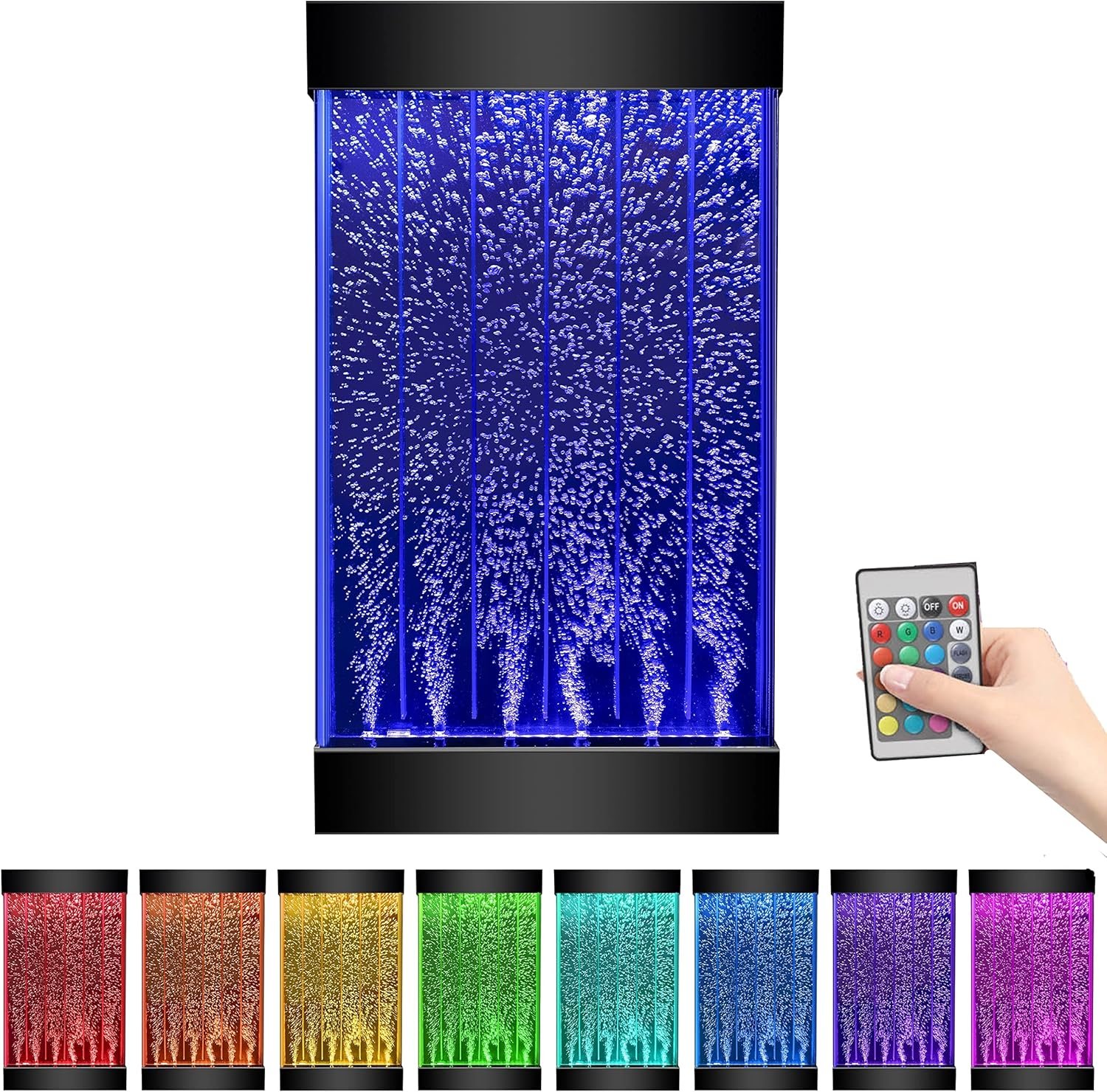
A bubble wall is a vertical decorative water feature where streams of air rise inside a sealed transparent panel. The system combines water, LED lighting, and an air pump to create a dynamic visual effect. Bubble walls are used in homes, offices, restaurants, and medical facilities to enhance atmosphere and aesthetics.
Structure and Components of Bubble Walls:
Bubble walls operate through engineered integration of multiple parts. Each part plays a vital role in performance.
Core Components
-
Panel material: Acrylic or tempered glass.
-
Air pump: Produces continuous bubble flow.
-
Reservoir: Holds distilled or deionized water.
-
LED lights: Provide programmable illumination.
-
Diffuser: Ensures even bubble distribution.
-
Frame: Stainless steel or aluminum housing.
Types of Bubble Walls:
Bubble walls are available in multiple designs. Each type has distinct installation and usage benefits.
| Type of Bubble Wall | Key Feature | Ideal Placement |
|---|---|---|
| Free-standing | Movable unit | Hotel lobbies, offices |
| Wall-mounted | Fixed panel | Living rooms, spas |
| Partition style | Acts as divider | Restaurants, open-plan offices |
| Tabletop | Compact size | Bedrooms, desks |
| Custom-built | Made-to-order | Luxury projects, exhibitions |
Sizes and Customization Options:
-
Standard sizes: 2–6 feet in height.
-
Large panels: 8–12 feet, often custom-made.
-
Curved designs: Installed in high-end interiors.
-
Etched surfaces: Allow logos or patterns.
-
Smart features: Wi-Fi and app control.
Benefits of Bubble Walls:
Bubble walls are more than visual elements. They provide functional and psychological value.
Health and Wellness Benefits
-
Reduce stress through visual relaxation.
-
Support sensory therapy for children.
-
Improve mood with color therapy.
-
Enhance focus with soothing motion.
Interior Design Benefits
-
Add modern artistic dimension.
-
Reflect brand identity in businesses.
-
Create room partitions with transparency.
-
Enhance lighting in dim environments.
Residential Applications:
Homeowners integrate bubble walls for luxury and comfort.
-
Living rooms use them as art displays.
-
Bedrooms adopt smaller walls for ambiance.
-
Home spas combine them with hydrotherapy.
-
Smart homes integrate with voice assistants.
Commercial Applications:
Businesses invest in bubble walls for branding and customer experience.
-
Restaurants: Enhance dining atmosphere.
-
Hotels: Create impressive lobby features.
-
Clinics: Reduce patient anxiety.
-
Retail stores: Attract customer attention.
-
Casinos: Add kinetic décor in gaming zones.
Maintenance and Care:
To preserve functionality, bubble walls require regular upkeep.
Routine Maintenance Checklist
-
Refill reservoir with distilled water.
-
Clean acrylic surfaces to prevent streaks.
-
Inspect pump and diffuser monthly.
-
Replace LED modules after 50,000 hours.
-
Use biocides to control algae growth.
Cost of Bubble Walls:
Bubble wall pricing depends on size, material, and features.
| Size Category | Price Range | Typical Use |
|---|---|---|
| Tabletop unit | $100–$300 | Home décor |
| Mid-size wall | $1,000–$3,000 | Office or spa |
| Large custom | $10,000+ | Hotels, exhibitions |
Lifespan and Durability:
-
Acrylic panels last 7–10 years.
-
Tempered glass lasts longer.
-
Pumps need replacement every 3–5 years.
-
LED systems function for over a decade.
-
Stainless steel frames resist corrosion.
Bubble Dynamics and Lighting Effects:
Bubble size varies with diffuser pore size. Small pores create fine streams. Large pores generate columns of bubbles. LED lighting synchronizes with bubbles to create effects such as:
-
Gradient transitions.
-
Pulsating colors.
-
Flash sequences.
-
Static white light for minimalism.
Environmental Considerations:
Modern bubble walls integrate eco-conscious design.
-
LED lights reduce energy consumption.
-
Closed water systems prevent wastage.
-
Energy-efficient pumps minimize electricity use.
-
Recyclable materials reduce environmental impact.
Bubble Wall vs Other Water Features:
-
Fountain: Uses water jets, not enclosed bubbles.
-
Aquarium: Houses fish, bubble wall does not.
-
Waterfall: Requires more water circulation.
-
Bubble wall: Lightweight, compact, low water use.
Future Trends in Bubble Walls:
Manufacturers innovate with technology-driven models.
-
AI-based lighting synchronization.
-
Transparent OLED integration.
-
Interactive sound-reactive walls.
-
Biometric-responsive designs.
-
Eco-certified production processes.
FAQs About Bubble Walls:
What is the purpose of a bubble wall?
The purpose of a bubble wall is to combine aesthetic design with therapeutic relaxation by using rising bubbles and LED light patterns.
How long does a bubble wall last?
Acrylic bubble walls last 7–10 years, while tempered glass models last longer with proper care.
Can bubble walls reduce stress?
Yes. Bubble walls use continuous motion and lighting effects that reduce anxiety and improve mood.
What type of water is best for a bubble wall?
Distilled or deionized water is best to prevent mineral buildup and algae formation.
Are bubble walls expensive?
Prices range from $100 for tabletop units to over $10,000 for custom large installations.
Do bubble walls require electricity?
Yes. Pumps and LED lights require a continuous power supply, though energy-efficient models minimize consumption.
Can bubble walls be customized with logos?
Yes. Acrylic panels can be etched with corporate logos, patterns, or branding elements.
Conclusion:
A bubble wall is more than décor. It is a fusion of engineering, wellness, and modern design. With rising demand in homes, offices, and luxury venues, bubble walls continue to evolve. Advanced models integrate IoT, eco-efficiency, and interactive features, making them a long-term trend in architectural aesthetics.