
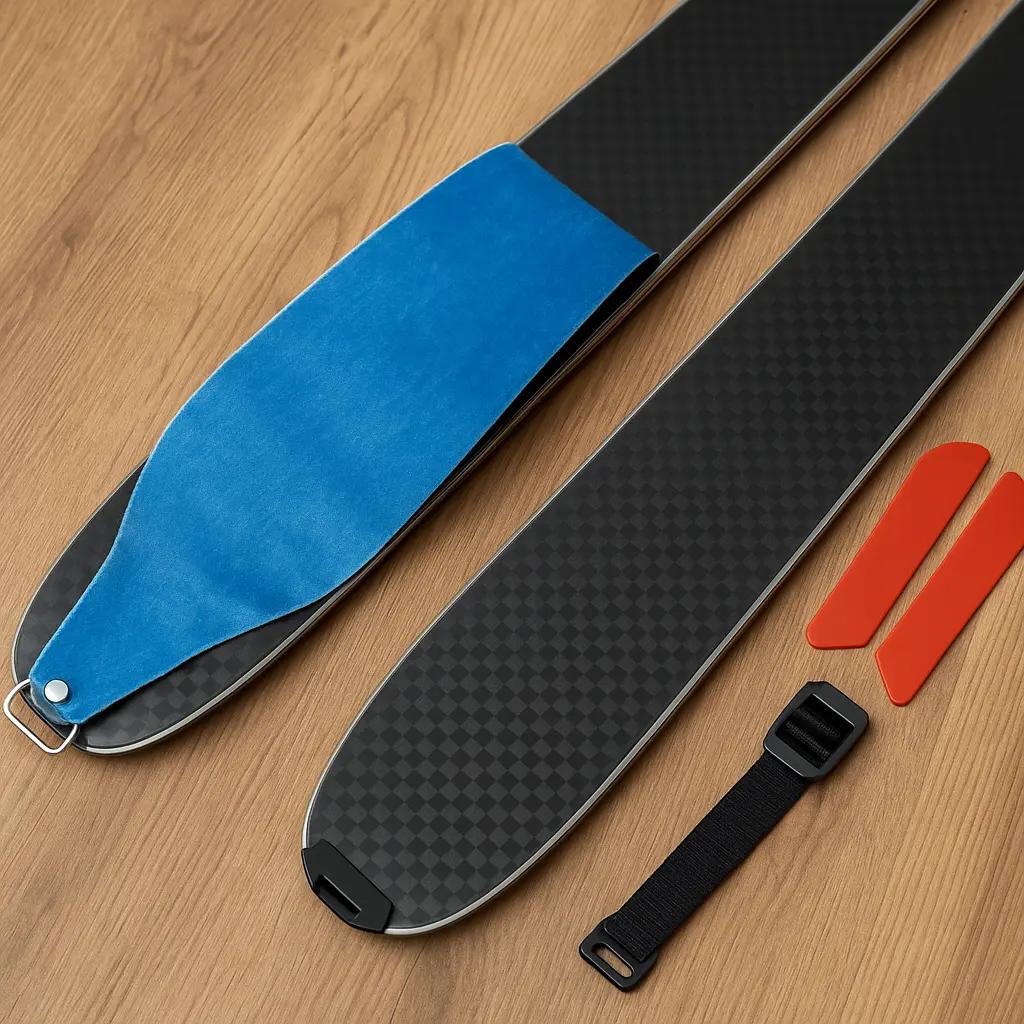
Zuschneidfelle: Comprehensive Guide to Custom-Cut Ski Skins for Precision Touring
Zuschneidfelle describe custom-cut climbing skins used in ski touring to achieve an exact fit for each ski model. Touring specialists value these skins because they enhance grip, glide, durability, and safety on variable alpine terrain. Modern zuschneidfelle combine advanced fibers, water-resistant treatments, and engineered adhesives to maintain stability during long ascents.
This guide explains what zuschneidfelle are, how they work, how to choose the right model, and how to maintain them for season-long performance.
What Are Zuschneidfelle?
Zuschneidfelle are tailored climbing skins trimmed to match the sidecut, length, and width of specific touring skis. These skins adhere to the ski base using specialized glue and provide enough friction to prevent backward sliding while allowing smooth forward movement.
Key components include:
-
Fiber Material: Mohair, synthetic fibers, or hybrid blends
-
Adhesive Layer: Hot-melt, hybrid, or silicone-based glue
-
Backing Structure: Waterproof membranes and anti-ice coatings
-
Attachment System: Tip loops, tail clips, adjustable straps
Zuschneidfelle ensure efficient energy transfer during ascents, making them essential for ski touring, splitboarding, and alpine expeditions.
Why Zuschneidfelle Matter in Modern Ski Touring
1. Precision Fit
Custom-cut skins eliminate gaps and reduce snow creep under the skin.
2. Improved Grip & Glide
Directional fibers offer firm uphill traction without compromising glide on flat sections.
3. Enhanced Durability
High-density backings resist moisture, temperature swings, and abrasive terrain.
4. Safety on Steep Terrain
Secure adhesion reduces slippage, increasing confidence in challenging conditions.
See More: NLPadel: Complete Guide to the Dutch Padel Ecosystem
Types of Zuschneidfelle
1. Mohair Zuschneidfelle
Mohair provides the highest glide performance, making it popular among racers and experienced tourers.
Characteristics:
-
Excellent glide on dry, cold snow
-
Soft, natural fibers
-
Lower abrasion resistance compared to synthetics
2. Synthetic Zuschneidfelle
Synthetic skins use nylon or polyester to maximize durability and grip.
Characteristics:
-
Strong traction on steep surfaces
-
High resistance to wear
-
Best performance in wet or heavy snow
3. Hybrid Zuschneidfelle
Hybrid skins combine mohair and synthetic fibers, offering balanced performance for all conditions.
Characteristics:
-
Versatile in varied snow types
-
Good glide and strong durability
-
Ideal for recreational ski touring
Mohair vs. Synthetic vs. Hybrid Zuschneidfelle
| Feature | Mohair | Synthetic | Hybrid |
|---|---|---|---|
| Glide Performance | ★★★★★ | ★★★☆☆ | ★★★★☆ |
| Grip Strength | ★★★☆☆ | ★★★★★ | ★★★★☆ |
| Durability | ★★☆☆☆ | ★★★★★ | ★★★★☆ |
| Best Climate | Cold, dry snow | Wet, heavy snow | Mixed conditions |
| Ideal Use Case | Race touring | Technical ascents | Recreational touring |
How Zuschneidfelle Are Trimmed
Although premade skins exist, true zuschneidfelle require manual trimming to match the ski’s exact silhouette.
Step-by-Step Trimming Process
-
Position the skin with centered alignment.
-
Attach the tip loop and apply moderate tension.
-
Trim one side using a side-edge cutter.
-
Shift the skin slightly and trim the opposite side.
-
Fit the tail clip and test adhesion across the base.
A correctly trimmed skin shows exposed metal edges for turning while maintaining full contact through the ski base.
How to Choose the Right Zuschneidfelle
1. Match Ski Width
Choose a width slightly wider than the ski’s waist to allow precise trimming.
2. Select the Correct Material
-
Choose mohair for long approaches and speed.
-
Choose synthetic for rugged terrain and steep climbs.
-
Choose hybrid for mixed-weather touring.
3. Evaluate Adhesive Type
-
Hot-melt glue: Strong and reliable
-
Hybrid adhesives: Easy to handle and clean
-
Silicone systems: Reduced stickiness for warm climates
4. Consider Terrain Profile
Expedition routes require a more durable synthetic backing; day tours perform best with hybrid blends.
Maintenance Guide for Zuschneidfelle
Daily Care
-
Remove snow before storage.
-
Air-dry skins naturally; avoid heat sources.
-
Avoid folding adhesive onto contaminated surfaces.
Periodic Care
-
Apply waterproofing sprays monthly.
-
Refresh glide wax as fiber tips become dry.
-
Replace worn tip or tail hardware.
Glue Refreshing
If the adhesive loses tack, use glue sheets or hot-melt renewal to restore performance.
See More: Artistic Gymnastics Olympics Tickets: Complete Guide
Advantages of Using High-Quality Zuschneidfelle
1. Energy Efficiency
Precision-cut skins reduce drag and save energy on long tours.
2. Consistent Safety
Stable adhesion creates predictable traction in all conditions.
3. Longer Product Life
Premium materials resist moisture, abrasion, and temperature changes.
4. Better Overall Touring Experience
Balanced glide and grip improve ascent rhythm and reduce fatigue.
Common Mistakes When Selecting Zuschneidfelle
-
Choosing skins too narrow for the ski waist
-
Overlooking adhesion type compatibility
-
Using mohair in very wet snow
-
Forgetting to waterproof skins
-
Ignoring tail clip adjustment
Proper knowledge prevents performance loss and avoids dangerous slipping during steep climbs.
Top Features to Look for in Modern Zuschneidfelle
1. Hydrophobic Coatings
Reduces icing and water absorption.
2. Edge-Reinforced Backings
Increases tear resistance while trimming.
3. Multi-Climate Adhesives
Enhances grip even in freezing conditions.
4. Adjustable Tail Clips
Ensures stable placement during long tours.
5. Lightweight Packability
Allows easy storage in a jacket or pack.
Recommended Accessories for Zuschneidfelle
-
Skin storage mesh
-
Repair tape & fiber patches
-
Anti-glop wax
-
Edge cutters
-
Tail strap replacements
These tools extend the lifespan of your skins and prevent sudden failures in remote terrain.
FAQs About Zuschneidfelle
1. What makes zuschneidfelle different from standard climbing skins?
Zuschneidfelle are trimmed to the exact shape of a specific ski, offering enhanced grip, perfect sidecut alignment, and better adhesive contact compared to universal skins.
2. Are mohair zuschneidfelle suitable for beginners?
Beginners can use mohair, but hybrid skins offer better durability and balanced performance for varying slopes and snow types.
3. How often should I reapply waterproofing to zuschneidfelle?
Most touring specialists recommend applying hydrophobic spray every 4–6 outings, especially during warming periods or wet transitions.
4. Can zuschneidfelle lose grip over time?
Yes, grip decreases as fibers oxidize or lose structure. Regular brushing and waxing help maintain traction.
5. What width of zuschneidfelle should I buy?
Select a skin at least 2–4 mm wider than your ski waist to allow precise trimming without gaps.
6. Do zuschneidfelle work in extremely cold temperatures?
High-quality synthetic or hybrid adhesives maintain strong adhesion in sub-zero environments, making them ideal for glacier touring.
7. How long do zuschneidfelle typically last?
With proper maintenance, premium skins last 3–5 seasons, depending on usage frequency and terrain.
Conclusion
Zuschneidfelle remain a crucial tool for ski touring, offering unmatched precision, reliable uphill traction, and adaptation to diverse snow conditions. By selecting the right material, optimizing fit, and maintaining the skins properly, skiers achieve greater efficiency and safety during backcountry travel.